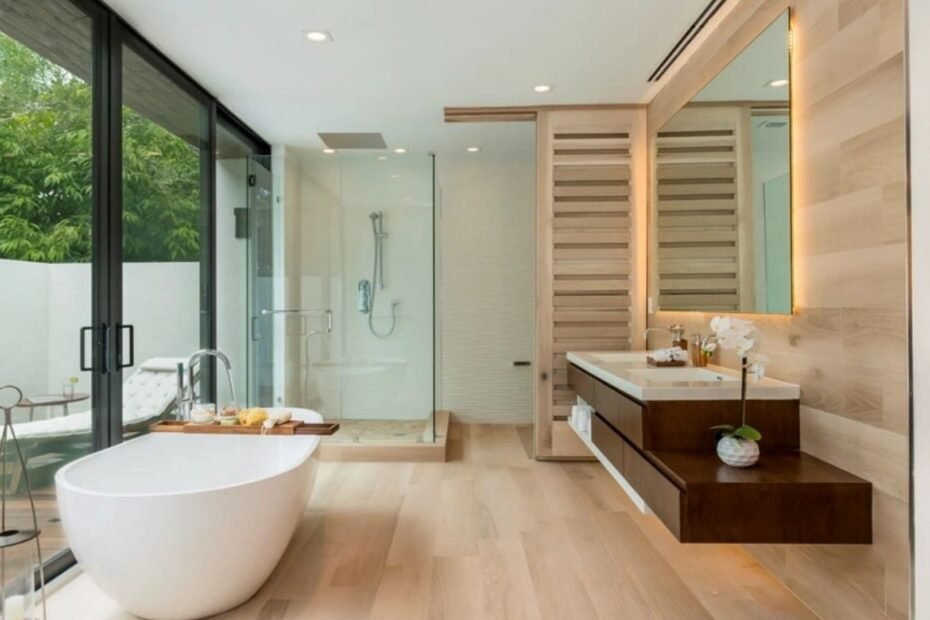
An eco-friendly bathroom makeover might seem costly at first, but the numbers tell a surprising story. Did you know a standard bath uses up to 70 gallons of water? A five-minute shower with a low-flow showerhead needs only 10-12 gallons. Your home energy bill directs about half its costs toward heating water, and conventional fixtures waste much of it.
We have found that eco-friendly bathroom designs pay back their costs sooner than most homeowners expect. New eco-friendly bathroom products can reduce water consumption by up to 60% while maintaining full performance. LED lighting uses up to 80% less energy than traditional incandescent bulbs and lasts 25 times longer. These savings accumulate quickly and transform an apparently expensive renovation into a smart financial choice that helps both your wallet and the planet.
Switch to Water-Saving Fixtures
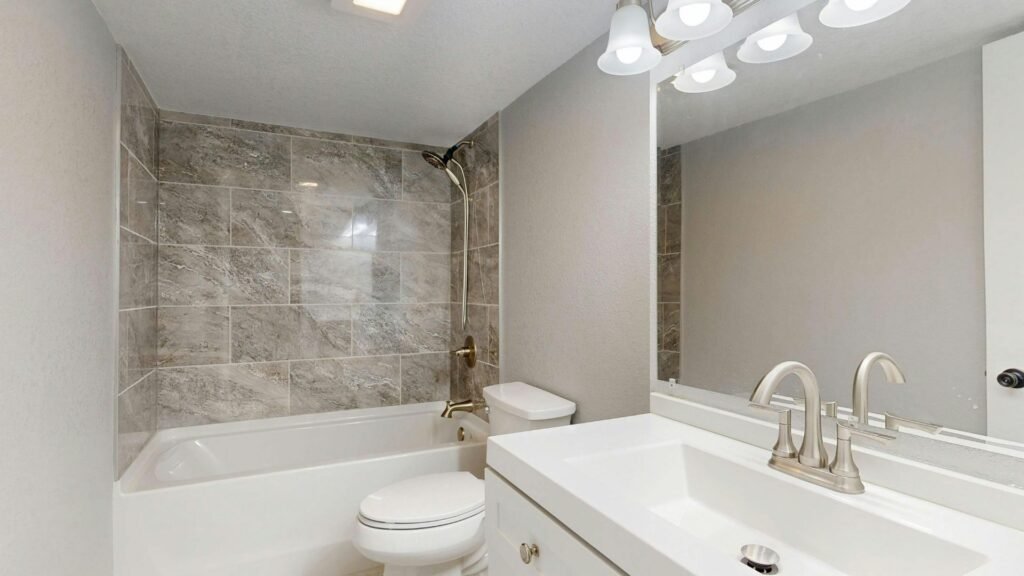
Water-saving fixtures are the lifeblood of a truly water-efficient bathroom. Smart fixture choices can dramatically cut your water usage while maintaining great performance and comfort.
Low-flow showerheads and aerators
Showering accounts for nearly 17% of residential indoor water use. The average family uses almost 40 gallons per day. Standard showerheads use 2.5 gallons of water per minute (gpm), but WaterSense-labeled models use no more than 2.0 gpm. This simple change saves your household about 2,700 gallons of water annually.
Low-flow showerheads save both water and energy. A typical family saves more than 330 kilowatt hours of electricity each year—enough power to run a house for 11 days. These households can also save up to $50 yearly on heating costs.
Faucet aerators deliver impressive water savings too. These small screens attach to your faucet and mix air into the water stream. Standard 2.2 gpm aerators replaced with 1.5 gpm versions cut water use by 30% with the same performance. Bathroom faucets with just 0.5 gpm work great for handwashing.
Dual-flush and high-efficiency toilets
Toilets use the most water in homes, making up nearly 30% of indoor water usage. Old models need up to 6 gallons per flush. Modern high-efficiency toilets use just 1.28 gallons or less—20% below current federal standards.
Dual-flush toilets save even more with two options: a lower volume flush (usually 0.8-1.1 gallons) for liquid waste and a full flush (about 1.6 gallons) for solid waste. These toilets can reduce water consumption by up to 67%.
WaterSense-labeled models replacing inefficient toilets save families between 20-60% on toilet water usage—about 13,000 gallons yearly. This adds up to more than $170 saved annually on water costs, and $3,400 over the toilet’s lifetime.
Motion-sensor faucets for reduced waste
Motion-sensor faucets turn off automatically when not needed and eliminate running taps. These faucets cut water usage by 50-70% compared to standard ones. A fixture using 0.35 GPM reduces your annual water usage by up to 85%.
These touchless fixtures keep things hygienic by preventing cross-contamination from dirty surfaces. The higher upfront cost pays off through water and energy savings within two years.
Cut Energy Use with Smarter Heating
Your home’s energy use comes mostly from heating water and keeping bathrooms warm. New energy-saving heating systems can help you save money and protect the environment.
Install a tankless water heater
Standard water heaters waste energy by keeping a large tank of water hot all the time. Tankless water heaters are different. They heat water only when you need it. This smart design cuts energy waste and lowers your utility bills.
These systems heat water instantly through a heat exchanger that works only when you turn on the tap. ENERGY STAR-certified tankless heaters help a typical family save about $95 each year on gas bills compared to regular models. The savings add up to $1,800 over its lifetime.
These systems bring practical benefits to your green bathroom:
- They last 20+ years (regular tanks last 10-15 years)
- You can mount them on walls to save space
- Hot water never runs out
Insulate hot water pipes
Your pipes need proper insulation. This simple upgrade stops heat loss as water moves through your plumbing and brings several key benefits.
Good pipe insulation can make water 2°F–4°F warmer. You can set your water heater temperature lower and still enjoy the same comfort. Your tankless water heater will work better and use less energy each time you turn it on.
Yes, insulated pipes indeed bring hot water to your taps faster. You waste less water waiting for it to warm up. Small improvements like these lead to big savings in energy costs over time.
Use LED lighting in damp-rated fixtures
Bathrooms need special lights that can handle humidity. Damp-rated LED fixtures are perfect for eco-friendly bathroom lighting [link_3].
These lights work great in moist bathroom air and use 75% less power than old-style bulbs. Quality LEDs also last 25 times longer than regular lights. You’ll spend less money replacing them.
Motion sensors make bathroom lighting even more efficient. They turn off lights automatically when no one’s there. This smart combination helps cut power waste and save money.
Fix the Hidden Leaks Draining Your Wallet
Water leaks can quietly drain your home’s resources and money. Small drips might seem harmless but can lead to shocking utility bills and get pricey to repair when left unchecked.
How to detect silent toilet leaks
Your toilets are the main source of household leaks, and they can run without making a sound. A simple dye test helps reveal these hidden problems:
- Drop food coloring or dye tablets into your toilet tank
- Wait 20-30 minutes without flushing
- The colored water in the bowl signals a leak
You can also mark your tank’s water level with a pencil and check it after 30-60 minutes without flushing. A lower water level indicates a leak.
Fixing dripping faucets and showerheads
Dripping fixtures usually stem from worn washers, damaged O-rings, or mineral buildup. Faucet repairs typically need a new rubber washer, which sits under a brass screw at the stem’s base.
Your showerhead might leak due to cracked washers or scale buildup that forces water out unexpectedly. A 30-60 minute soak in white vinegar usually clears mineral deposits.
Why small leaks lead to big bills
Small leaks can affect your finances dramatically. One dripping faucet wastes over 3,000 gallons annually, while a silent toilet leak wastes up to 200 gallons each day. The average household loses more than 10,000 gallons yearly to leaks—enough water to wash 270 loads of laundry.
Leaks can damage your walls, flooring, and cabinets while creating ideal conditions for mold. A simple $150-300 repair can quickly turn into thousands in restoration costs.
Choose Sustainable Materials That Last

Sustainable materials are the foundations of a truly durable, eco-friendly bathroom that delivers value for decades. The right materials do more than enhance esthetics—they protect your wallet and well-being.
Eco-friendly bathroom materials that reduce replacement costs
High-quality sustainable materials cost more at first but save money through their exceptional durability. Reclaimed wood from old-growth timber provides superior density and resists bathroom humidity naturally. Sustainable options like bamboo have natural resistance to mold and mildew, which means fewer repairs and replacements. When sealed properly, these materials can handle bathroom moisture for decades with minimal upkeep. This eliminates the constant replacement cycle that drains your finances.
Recycled tiles, bamboo vanities, and reclaimed wood
Recycled glass tiles resist water exceptionally well while giving waste materials new life. These tiles have non-porous surfaces that work great in wet areas and resist stains. Bamboo excels in bathroom applications because it grows back in 3-5 years, compared to hardwood’s 20-120 years. Reclaimed wood adds unmatched character with its unique grain patterns, natural patina, and rich history. The use of recycled tiles supports a circular material economy and keeps waste out of landfills.
Low-VOC paints and sealants for healthier air
Standard bathroom paints and sealants release volatile organic compounds (VOCs) that harm indoor air quality. Low-VOC alternatives eliminate these harmful emissions and create healthier spaces, which benefits people with allergies or asthma, particularly. Green Seal GS-11 certified products ensure minimal VOCs and heavy metals while maintaining sustainable manufacturing standards. These healthier options protect your respiratory system and the environment without sacrificing performance.
Conclusion
Making your bathroom eco-friendly brings rewards that go way beyond helping the environment. The numbers tell a powerful story – water-saving fixtures can reduce consumption by up to 60% and high-efficiency toilets save about 13,000 gallons each year. These aren’t just numbers on paper – they represent actual savings in your monthly bills.
Research shows that eco-friendly bathroom upgrades pay off quickly. A typical family saves $170 yearly just by switching to WaterSense fixtures, while energy-efficient lights cut power use by up to 75%. Those sneaky leaks waste thousands of gallons and drain your wallet silently.
Sustainable materials like bamboo, reclaimed wood, and recycled tiles last longer than standard options, which means you won’t need frequent replacements. Low-VOC paints and sealants make your space healthier without giving up quality or durability.
Many people worry about the cost of eco-friendly renovations. But the numbers show these upgrades pay for themselves through lower water and energy bills. Your sustainable bathroom doesn’t just help the planet – it secures your financial future and gives you a beautiful, practical space that lasts. The real question isn’t if you can afford an eco-friendly bathroom makeover – it’s whether you can keep paying for a wasteful bathroom.