

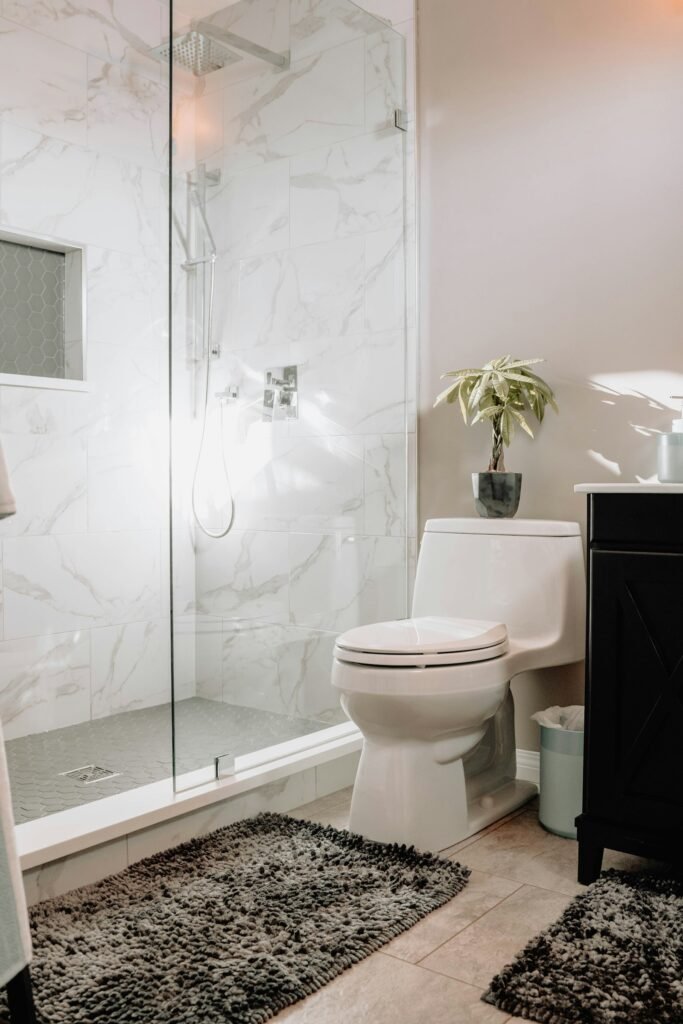
Tub to Shower Conversion Cost Calculator: 2027 Prices by Type and Size
Free tub to shower conversion cost calculator: 2027 prices for prefab kits, tile, one-day systems, curbless showers, and DIY kits, by size, plumbing, glass, and state.
Pick your room, scope, and finishes to estimate your remodel. The estimate updates as you go and uses national installed-cost averages adjusted for your state, priced for projects starting in 2027.
The calculator gives you a planning range, not a quote. It is built from national average installed costs for each part of the job, then adjusted with a labor index for your state. Two bathrooms that look identical on paper can still price differently once a contractor sees the plumbing, the subfloor, and what is behind the tile.
To turn your estimate into a real number, get written quotes from two or three licensed contractors. Modernize matches you with vetted local bathroom remodelers so you can compare quotes in one place.
Bath Calculator may earn a commission when you use partner links on this page.
Heading into 2027, most full remodels of a standard hall bathroom cost between about $12,000 and $16,000. The full range is much wider: a half-bath refresh can come in under $5,000, while a high-end primary suite with relocated plumbing can pass $75,000.
Three things decide where you land: how much of the layout you change, the finishes you choose, and local labor rates, which typically make up 40% to 65% of the bill. This guide breaks costs down by room and finish level, flags the costs that catch people off guard, and covers ways to pay for the project. Every figure here comes from the same cost model as the calculator, so the numbers on this page agree with each other.

These ranges assume midrange finishes, national average labor, and a contractor doing all the work. Use the calculator to adjust for your state and your own choices.
| Bathroom | Refresh | Full remodel | Gut and redesign |
|---|---|---|---|
| Half bath (about 20 sq ft) | $4,300 – $5,900 | $7,100 – $9,700 | $10,000 – $13,500 |
| Full hall or guest bath (about 40 sq ft) | $8,400 – $11,400 | $11,900 – $16,100 | $17,500 – $23,700 |
| Primary bath (about 100 sq ft) | $21,700 – $29,400 | $27,400 – $37,100 | $34,500 – $46,700 |
A half bath has only a toilet and a sink, so there is no shower or tub to pay for. That makes it the cheapest room to remodel overall, but the most expensive per square foot, because the fixed costs of hiring trades and pulling permits are spread across a tiny floor. A typical refresh swaps the vanity or pedestal sink, faucet, toilet, mirror, lighting, and flooring.
This is the most common remodel. A full remodel replaces the tub or shower, flooring, vanity, toilet, and fixtures while keeping everything in the same place. Choosing a tub/shower combo with a surround instead of a tiled walk-in shower is the single biggest way to hold the cost down.
Primary baths cost more because they are bigger and usually get more of everything: a separate tub and shower, a double vanity, more tile, and better lighting. Moving fixtures to a new layout adds about $2,500 per fixture before finishes.
For a typical 40 sq ft hall bathroom at national average prices:
New tub/shower combo, vinyl plank floor, stock vanity with laminate top, standard toilet and fixtures. Same layout, budget finishes.
Tiled walk-in shower with glass, porcelain floor, wainscot tile, semi-custom vanity with quartz, comfort-height toilet, new lighting.
Down to the studs: tiled shower, heated stone floor, floor-to-ceiling tile, marble top, smart toilet, a moved fixture, high-end finishes throughout.
The wet area drives the budget. A tub/shower combo with a surround is about $2,800 installed at midrange; a tiled walk-in shower with glass runs about $7,500; a freestanding tub plus a tiled shower can reach $15,000 or more with high-end finishes.
Relocating a toilet, sink, or shower means opening floors and walls and rerouting drains. The toilet is usually the hardest to move because of its large drain line.
Wall tile outside the shower adds up fast. Wainscot-height tile in a 40 sq ft bath is about $1,000 at midrange, and floor-to-ceiling tile is about $2,500 or more.
A pedestal sink starts around $600 installed. A single stock vanity is about $1,200, and a custom double vanity with stone tops can reach $10,000.
The estimate covers the work you can see. These are the costs that show up after the walls open.
Old leaks around tubs and toilets often rot the subfloor or wall framing. Repairs can add anywhere from a few hundred dollars to several thousand. Set aside at least 10% of your budget for surprises, or 15% for a gut remodel or an older home.
Older homes may need new supply lines, drain work, or a dedicated circuit before modern fixtures, heated floors, or a smart toilet can go in. Bathrooms also need GFCI-protected outlets, which may mean rewiring.
Plumbing, electrical, and structural work usually needs a permit. Expect a few hundred dollars for a standard remodel and more for major work. A straight swap of fixtures often doesn’t need one, but rules vary by town, so check with your local building department before work starts.
Many older bathrooms have no exhaust fan, or one that vents into the attic instead of outside. A properly ducted fan is about $600 installed and protects your new finishes from moisture.
Pick the option that matches the size of the project and how quickly you can pay it back.
These let you borrow against your home’s equity, usually at lower rates than unsecured loans. A home equity loan pays a lump sum, while a HELOC works like a credit line you draw from as bills come in. Interest may be tax deductible when the money is used to substantially improve your home, so ask a tax professional. Your house is the collateral, so only borrow what you can comfortably repay.
A personal loan doesn’t put your home on the line and can fund quickly. Rates depend on your credit and are usually higher than home equity products but lower than most credit cards.
Cards work best for smaller projects or for materials you can pay off quickly. A card with a 0% introductory APR gives you time to pay without interest, and rewards cards from issuers like Chase and Discover can earn cash back on big home-improvement purchases. Bonus offers change often, so check the current terms before you apply.
If you’re buying fixtures or tile online, sign up for Rakuten first. It’s free and pays back a percentage of what you spend at stores like Lowe’s and Walmart.
Find more ideas in our guide to saving money on a bathroom renovation, or browse modern bathroom design ideas.
A midrange bathroom remodel is one of the better-returning interior projects. Remodeling magazine’s 2025 Cost vs. Value Report estimated that a midrange bath remodel recoups close to 80% of its cost at resale nationally. Upscale remodels recoup a smaller share, often closer to half, because buyers in most markets won’t pay full price for luxury finishes.
A common rule of thumb is to keep a bathroom remodel to roughly 5% to 10% of your home’s value. If you plan to stay for years, how much you’ll enjoy the room matters as much as resale. If you plan to sell soon, stick to midrange finishes that match the rest of your home. We’ll update these figures when the next Cost vs. Value Report is released.
Most full remodels of a 40 sq ft hall bathroom cost about $12,000 to $16,000 with midrange finishes and national average labor. A half-bath refresh can be under $5,000, a primary bath remodel typically runs $27,000 to $37,000, and a high-end primary suite with relocated plumbing can pass $75,000.
Labor and the shower or tub area. Labor usually makes up 40% to 65% of the total, and a tiled walk-in shower with glass costs about $7,500 installed at midrange. Moving plumbing to a new spot adds about $2,500 per fixture.
Most remodels fall between about $250 and $600 per square foot. Small bathrooms cost more per square foot because the fixed costs of trades, permits, and fixtures are spread over less floor.
A refresh usually takes one to two weeks. A full remodel in the same layout typically takes three to six weeks, and a gut remodel with layout changes can take two months or more, depending on permits, inspections, and special-order materials.
Contractors typically adjust their pricing each year as labor and material costs change. Our estimates use late-2026 pricing for 2027 planning. If your project starts late in 2027, add a small cushion and confirm pricing with written quotes.
Yes, especially midrange projects. Remodeling magazine’s 2025 Cost vs. Value Report estimated that a midrange bathroom remodel recoups close to 80% of its cost at resale. Upscale remodels recoup a smaller share.
Usually, if the work involves plumbing, electrical, or structural changes. Replacing fixtures in the same spot often doesn’t require one. Rules vary by town, so check with your local building department.
Free tub to shower conversion cost calculator: 2027 prices for prefab kits, tile, one-day systems, curbless showers, and DIY kits, by size, plumbing, glass, and state.
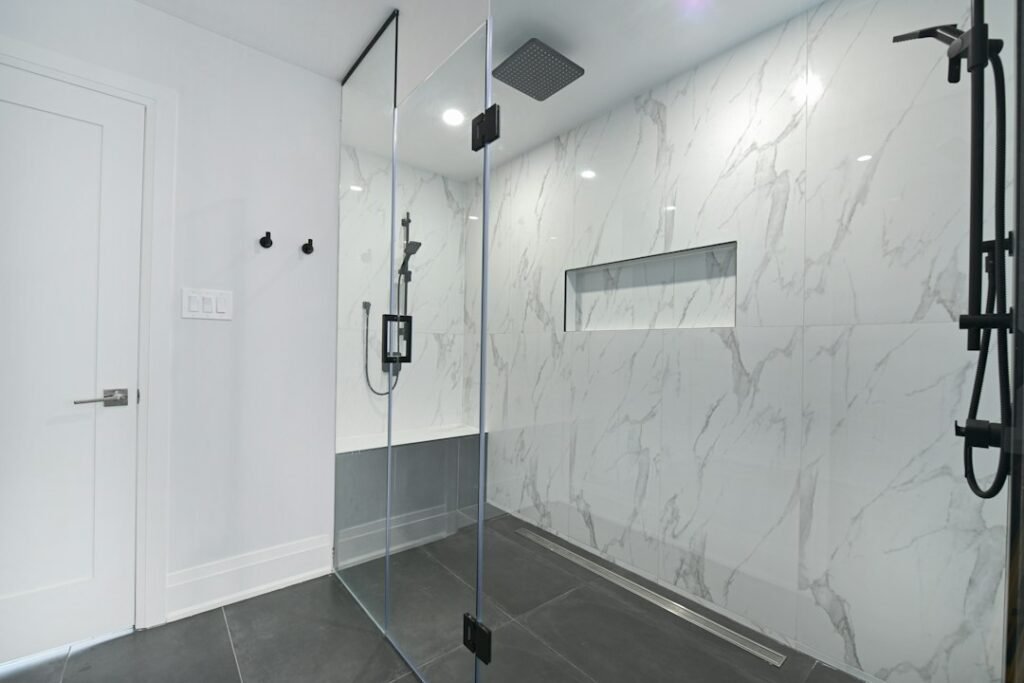
Tile and grout aren’t waterproof, and cement board isn’t either. Here’s how sheet membranes, liquid membranes, foam board systems, and traditional pan liners compare on cost, DIY-friendliness, and failure risk, plus the questions to ask your contractor before the tile goes up.
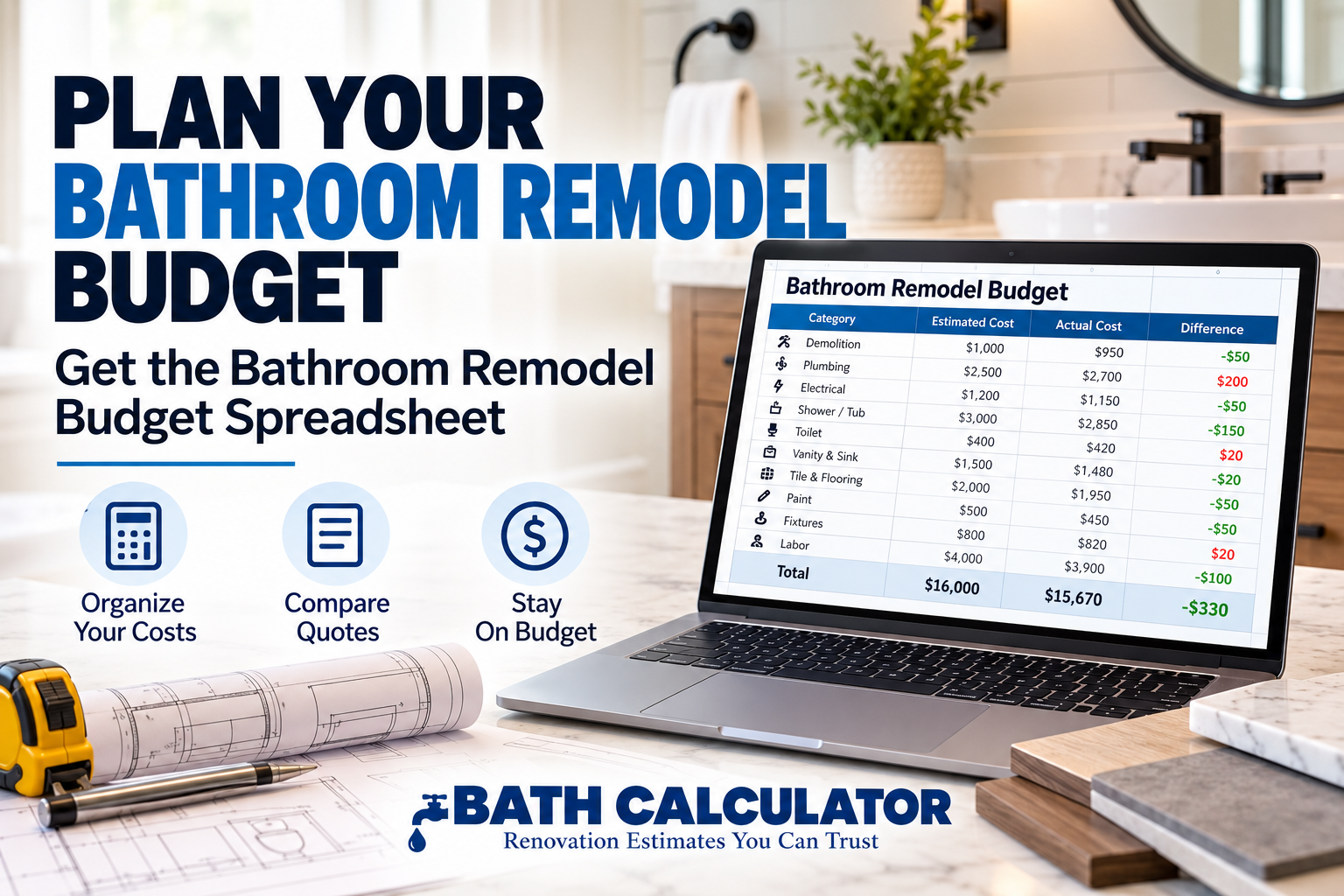
Free download. We’ll also send occasional remodel cost tips. Unsubscribe anytime.