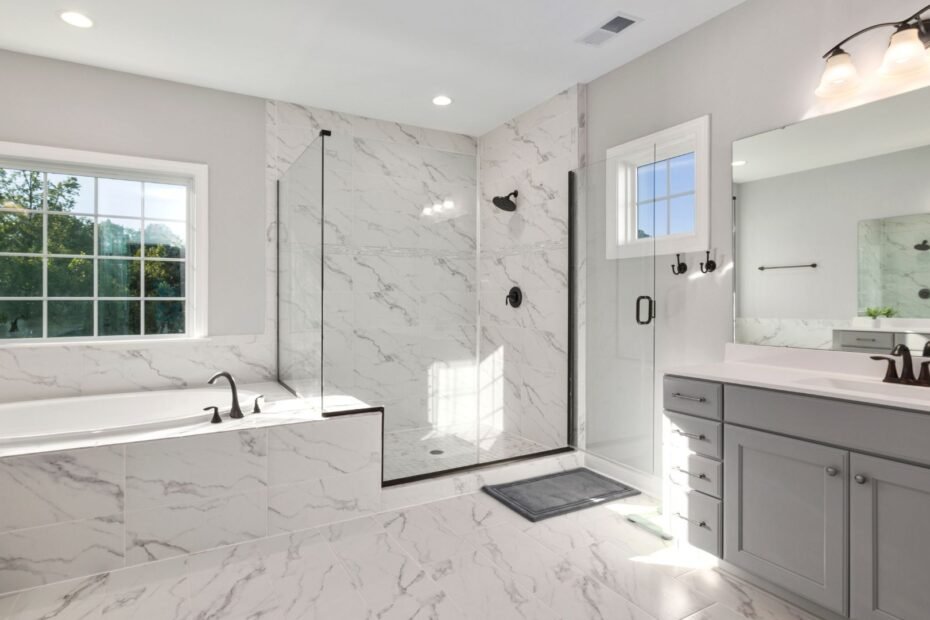
The average bathroom remodel in the United States now costs about $16,500, with most homeowners spending between $8,000 and $45,000 depending on size, finishes, and region. In 2026, prices are up 4–6% year over year, driven by skilled labor shortages and steady demand for primary-bath upgrades that improve daily comfort and resale value.
What a Bathroom Remodel Costs in 2026
National averages vary by source and scope, but the consensus is clear: a full mid-range bathroom renovation typically lands between $16,000 and $28,000, while a complete primary bath can reach $29,000–$50,000. Budget cosmetic refreshes (paint, vanity, fixtures, no plumbing moves) run $3,500–$7,000; gut renovations with new tile, plumbing, and custom work start around $15,000 and can exceed $60,000 for luxury primary baths.
Per-square-foot pricing helps compare scopes. In 2026, basic projects average $70–$120 per square foot, mid-range remodels $120–$200 per square foot, and luxury work $200–$250+ per square foot. A standard 5×8-foot full bath (about 40 square feet) often hits $24,000–$28,000 when it includes demolition, new waterproofing, tile, vanity, and updated plumbing.
Where the Money Goes: A Realistic Line-Item View
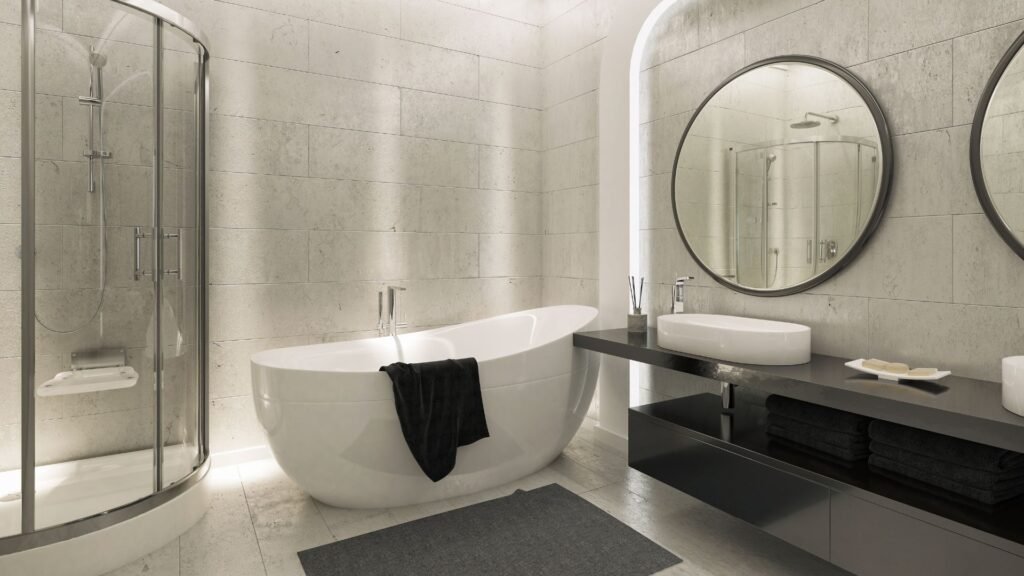
A typical mid-range remodel breaks down roughly like this:
- Demolition and disposal: $1,500–$3,000
- Plumbing rough-in and trim: $3,000–$6,000
- Electrical and lighting: $1,200–$3,500
- Waterproofing and shower pan: $1,200–$2,500
- Tile flooring and walls: $3,000–$8,000
- Vanity and countertop: $1,500–$4,000
- Toilet, tub/shower fixtures: $1,500–$4,000
- Paint, accessories, contingency (10–15%): $2,000–$4,000
Plumber and electrician rates have climbed 8–10% in many metros, with plumbers often charging $85–$175 per hour. Material costs are steadier than in 2022–2024, but premium tiles, custom glass, and imported fixtures can still swing budgets quickly.
Primary vs. Guest vs. Half Bath
Primary bathrooms command the highest spend because they combine larger square footage with premium finishes. A complete primary renovation in 2026 commonly ranges $18,000–$80,000, with many homeowners landing in the $29,000–$50,000 band for mid-to-upper-mid range work.
Guest bathrooms (often 40–60 square feet) typically run $8,000–$35,000 depending on whether you are keeping the layout or moving plumbing. Half baths (powder rooms) are smaller but can be surprisingly costly per square foot if you upgrade to high-end tile, lighting, and wall treatments; expect $5,000–$15,000 for a polished result.
Regional Reality Check
Location matters. National averages mask wide metro differences. In high-cost coastal cities, labor and permit fees can push a mid-range bath well above $30,000, while some Sun Belt and Midwest metros remain closer to the low-to-mid teens for similar scopes. If you are comparing quotes, ask contractors to itemize labor hours, material allowances, and permit costs so you can see where your market is driving the total.
ROI: Which Upgrades Pay Back
Mid-range bathroom remodels commonly recoup 65–80% of their cost at resale, depending on the market and quality of work. The strongest returns come from projects that:
- Fix layout and function (better shower, more storage, safer flooring)
- Use durable, low-maintenance materials in wet zones
- Improve lighting and ventilation
- Add universal design features that appeal to a broad buyer pool
Purely cosmetic splurges—like intricate accent walls or niche lighting that feels trendy—often deliver less value than a high-quality shower system, a well-built vanity, and excellent waterproofing.
Smart Spending: Where to Upgrade and Where to Save
To maximize both daily enjoyment and resale, direct your budget toward items that affect performance and longevity:
Spend more on:
- Waterproofing system and shower pan (prevents catastrophic failures)
- Thermostatic shower valve and trim (safety, comfort, efficiency)
- Floor tile and large-format wall tile in wet areas (durability, low maintenance)
- Quality vanity with soft-close drawers and a solid countertop
Save on:
- Basic, reliable toilet models with widely available parts
- Wall tile in dry zones (mid-range ceramic performs well)
- Towel bars, hooks, and other accessories
- Paint and anti-mildew coatings (mid-tier brands are sufficient)
This approach keeps the “bones” of the bathroom premium while avoiding over-spending on items that wear out or go out of style quickly.
Hidden Costs That Surprise Homeowners
The most common budget busters in 2026 are not fancy tiles; they are hidden conditions discovered after demolition:
- Subfloor rot or uneven framing that requires repair
- Old, non-compliant plumbing that must be brought to code
- Electrical upgrades for GFCI, lighting circuits, and exhaust fans
- Permit fees and inspection delays in stricter jurisdictions
A 10–15% contingency is not optional for a full remodel; it is essential. If your quote does not include a contingency line, build one into your own budget before signing.
Timeline and Process
A straightforward full bath remodel typically takes 5–8 weeks from demo to final punch list, assuming no major structural changes. Key phases:
- Design and material selection (2–4 weeks before work starts)
- Demolition and disposal (2–4 days)
- Rough plumbing and electrical (3–7 days)
- Waterproofing and tile (5–10 days)
- Fixture install, paint, and final trim (3–5 days)
- Inspection and punch list (1–3 days)
Delays usually come from material lead times (custom glass, imported tile) and change orders mid-project. Lock your selections early and limit changes once work begins.
Financing and Budget Tools
Many homeowners finance bathroom remodels through home equity lines of credit (HELOCs), cash-out refinances, or contractor-affiliated lenders. Compare APRs, fees, and repayment terms carefully; a slightly higher rate with no origination fee can sometimes beat a “low introductory rate” with heavy closing costs.
Before you talk to contractors, model a few scenarios. Use a detailed estimator to test different scopes (cosmetic vs. full gut) and material tiers. For a U.S.-focused breakdown with line-item inputs, try our <a href=”https://bathcalculator.com/bathroom-remodel-cost-estimator”>Bathroom Remodel Cost Estimator</a>. It helps you see how choices like moving the shower or upgrading tile affect your total.
Design Trends That Influence Cost
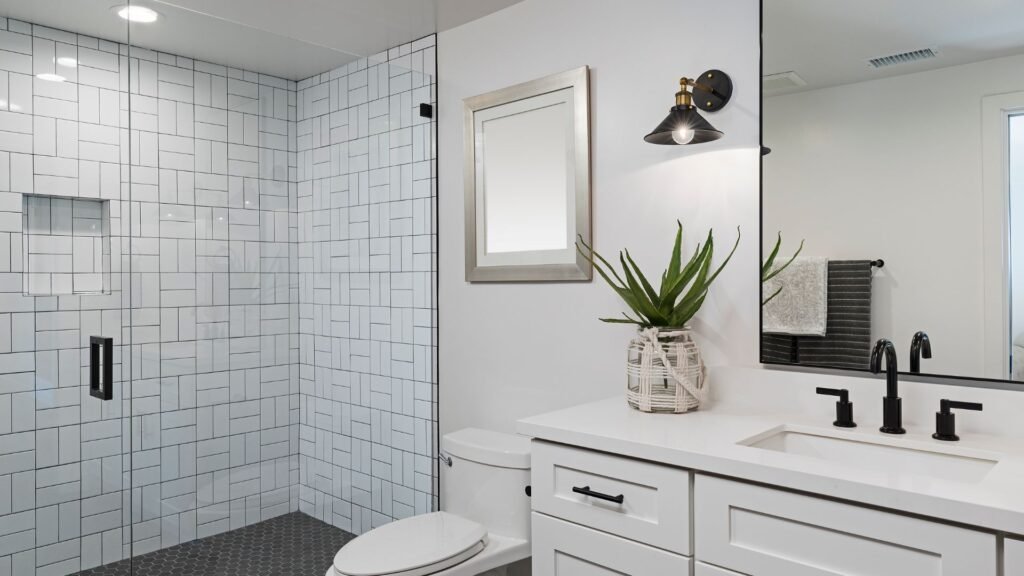
2026 design preferences also nudge budgets. Large-format tiles and minimal grout lines are popular but require precise substrate prep and skilled installers. Wet rooms and curbless showers improve accessibility and appeal, yet they demand excellent waterproofing and slope work. Smart toilets, LED mirrors, and layered lighting add comfort but increase electrical and fixture costs.
If you want a modern look without blowing the budget, choose one hero element—such as a statement tile wall or a high-end shower system—and keep other finishes simple and durable.
Authoritative Benchmark to Keep Handy
For industry-wide context, the National Kitchen & Bath Association (NKBA) 2026 Market Outlook and Remodeling Magazine’s 2026 Cost vs. Value Report are key references. They place a mid-range bathroom renovation around $27,000 nationally and a full primary bath near $25,500 on average, underscoring how much scope and market drive final numbers. Use these as sanity checks when your quotes land far above or below national norms.
Next Steps for a Confident Remodel
- Define your goals: wellness, resale, accessibility, or a mix.
- Audit existing plumbing and electrical to flag potential relocation costs.
- Choose a cohesive material palette and lock selections early.
- Get three detailed bids and compare line items, not just totals.
- Run your numbers through a cost estimator before committing.
Our guide breaks down how layout choices affect both cost and long-term value, helping you decide where to invest for your specific home and market.
With clear priorities, realistic budgets, and a solid contingency, a 2026 bathroom remodel can deliver years of daily comfort and a strong return when it is time to sell.