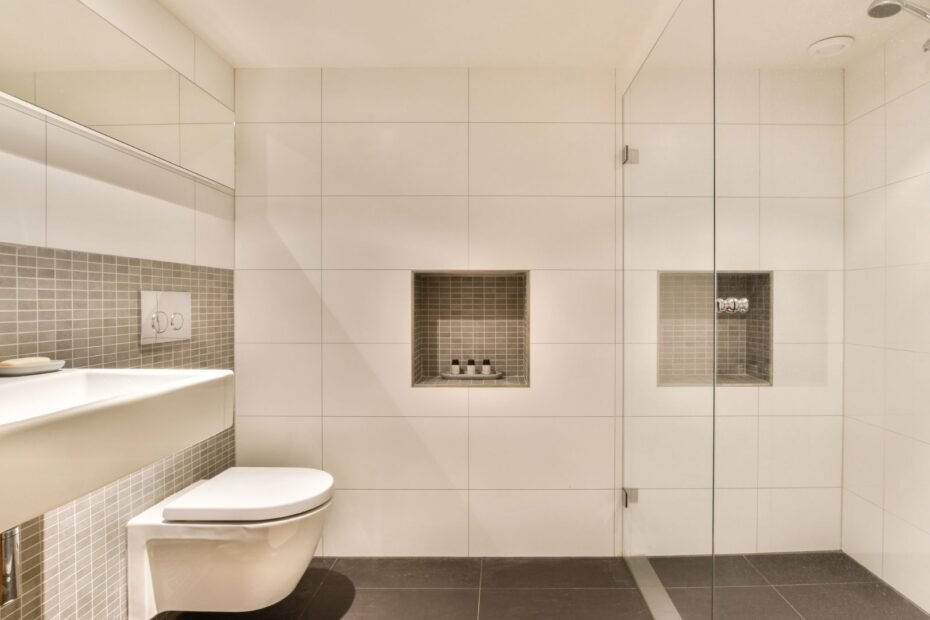
Bathroom remodeling in 2026 is less about flashy gadgets and more about wellness, durability, and smart design choices that improve everyday life while boosting home value. With 89% of industry professionals reporting demand for minimal grout lines and 80% expecting large-format flooring to lead, the market is shifting toward low-maintenance, spa-inspired spaces that feel both personal and practical.
Spa-Like Wellness at Home
The biggest story in 2026 bathrooms is the rise of self-care infrastructure. Steam showers, heated floors, and freestanding tubs are no longer luxury add-ons; they are core features for primary baths. Designers note a strong return to undermount and drop-in tubs alongside sculptural freestanding pieces that act as “self-care furniture” rather than just bathing fixtures.
Why it matters: These features support longer soak times and stress relief, and they resonate with buyers who prioritize wellness. If you are planning a primary bath upgrade, consider a wet room layout with a curbless, frameless glass shower and a separate soaking tub. This configuration reads modern, improves accessibility, and often appraises higher than a standard tub-shower combo.
For layout inspiration and cost breakdowns, see our guide at bathcalculator.com: <a href=”https://bathcalculator.com/wet-room-vs-shower-tub-combo”>Wet Room vs. Shower-Tub Combo: Which Adds More Value?</a>
Materials That Last (and Where to Spend)
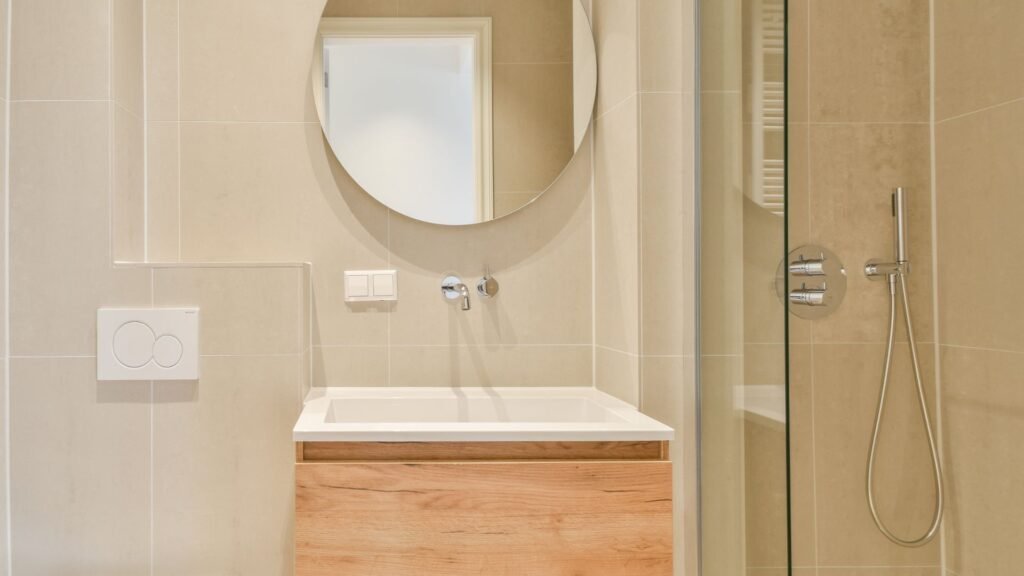
Designers are pushing “material drenching,” where a single material or tone wraps walls, floors, and trim for a cohesive, zen-like feel. Large-format porcelain, rectified tiles, and minimal grout lines reduce cleaning time and create a seamless look. In dry zones, mid-range ceramic remains a smart save; in wet zones, upgrading to porcelain or mineral-resin shower trays pays off in longevity and water resistance.
A practical rule of thumb from 2026 cost analyses: spend more on waterproofing, shower valves, and floor tiles, but save on accessories and basic toilets. Better waterproofing prevents catastrophic failures, while thermostatic shower valves improve safety and water efficiency.
Sustainability is also mainstream. Carbon-negative tiles, recycled steel accents, and lab-grown quartz offer lower footprints with premium aesthetics. While some eco-materials cost $18–$35 per square foot, they often match the lifespan of high-end porcelain and can qualify for rebates when paired with efficient fixtures.
Smart Tech You Will Actually Use
Technology in 2026 bathrooms is less about gimmicks and more about frictionless routines. Voice-activated shower controls, deodorizing smart toilets, and integrated LED lighting (think backlit mirrors and under-vanity strips) are top requests. These features improve comfort and can reduce water and energy use when paired with timers and flow sensors.
If you are tech-curious, start small: swap in a thermostatic shower valve, add a dimmable, high-CRI vanity light, and install a smart exhaust fan with humidity sensing. These upgrades are easier to retrofit and deliver noticeable quality-of-life gains. For a full breakdown of smart fixtures and their ROI, explore our post at bathcalculator.com: <a href=”https://bathcalculator.com/smart-bathroom-tech-guide-2026″>Smart Bathroom Tech Guide 2026</a>.
Layouts That Work for Real Life
The most successful 2026 bathrooms optimize flow and storage without expanding square footage. Storage-focused vanities with deep drawers and hidden outlets keep counters clear. Wall-hung toilets and floating vanities make small rooms feel larger and simplify cleaning. In tight spaces, pocket doors and sliding barn doors recover valuable floor area.
Wet rooms continue to trend because they eliminate threshold trips and make cleaning straightforward. For families, a dual-zone layout—one side for quick showers, another for soaking—accommodates different routines without conflict. Universal design elements (grab bars disguised as towel bars, bench seating in showers) add safety and broaden appeal to future buyers.
Color, Light, and Texture
Cookie-cutter white bathrooms are giving way to layered, expressive spaces. Earth tones, greige, and high-contrast color blocks create calm and sophistication. “Color-drenched” trim and doors in pastels or muted greens add personality without overwhelming. Texture is key: fluted tiles, ribbed glass, and matte black hardware introduce depth that photographs well and feels inviting day to day.
Lighting deserves equal attention. Designers recommend three layers: ambient (ceiling), task (vanity), and accent (niche or art). Aim for 2700K–3000K color temperature for a warm glow, and prioritize fixtures with high color rendering so skin tones look natural. Integrated LED mirrors are popular, but ensure they have dimming capability to avoid harsh nighttime glare.
Budgeting Without Regrets
A 2026 primary bathroom remodel typically ranges from $25,000 to $60,000 depending on size and finishes. To keep costs in check, lock your layout early (moving plumbing is expensive), choose one “hero” material for drenching, and allocate a 10–15% contingency for hidden issues like old waterproofing or subfloor rot.
Where to spend:
- Waterproofing system and shower pan
- Thermostatic shower valve and trim
- Floor tile and large-format wall tile in wet zones
- Quality vanity with soft-close drawers and durable countertop
Where to save:
- Basic, reliable toilet models with widely available parts
- Wall tile in dry zones (mid-range ceramic is fine)
- Towel bars, hooks, and other accessories
- Paint and anti-damp coatings (mid-tier brands perform well)
Sustainability That Pays Off
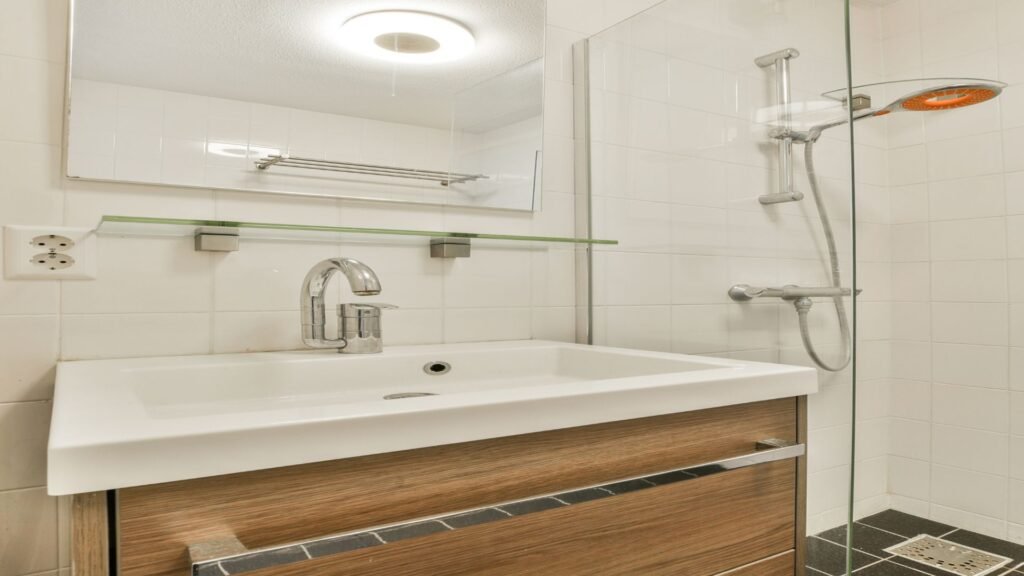
Eco-friendly choices in 2026 are both ethical and economical. WaterSense-certified faucets and showerheads cut usage without sacrificing pressure. Recycled-content porcelain and low-VOC sealants improve indoor air quality. Greywater diverters for sink-to-toilet reuse are gaining traction in water-stressed regions and can reduce household consumption meaningfully over time.
Pair these with high-efficiency exhaust fans and LED lighting to lower monthly bills. Many utilities offer rebates for efficient fixtures; check local programs before purchasing.
Planning Your Project Step by Step
- Define your goals: wellness, resale, accessibility, or a mix.
- Audit existing plumbing and electrical to flag relocation costs.
- Choose a cohesive material palette for drenching and texture.
- Lock in a lighting plan with dimming and layered zones.
- Get three bids and verify waterproofing methods in writing.
Use a detailed estimator before committing. Our <a href=”https://bathcalculator.com/bathroom-remodel-cost-estimator”>Bathroom Remodel Cost Estimator</a> helps you model scenarios by size, materials, and features so you can compare options quickly.
The Authoritative Take
For broader context on what drives buyer preferences and long-term value, the NKBA’s 2026 Bath Trends Report (featured at KBIS) remains the industry standard. It highlights minimal grout lines, large-format flooring, and storage-forward vanities as top demands from both homeowners and pros. Aligning your choices with these trends improves satisfaction and resale potential.
Final Thought
The best 2026 bathrooms feel calm, perform efficiently, and stand up to daily use. Focus on durable materials in wet zones, layered lighting, and a layout that supports your routine. Add one or two wellness features you will use every day, and let smart tech simplify rather than complicate. With thoughtful planning, your remodel can deliver years of comfort and a strong return when it is time to sell.