
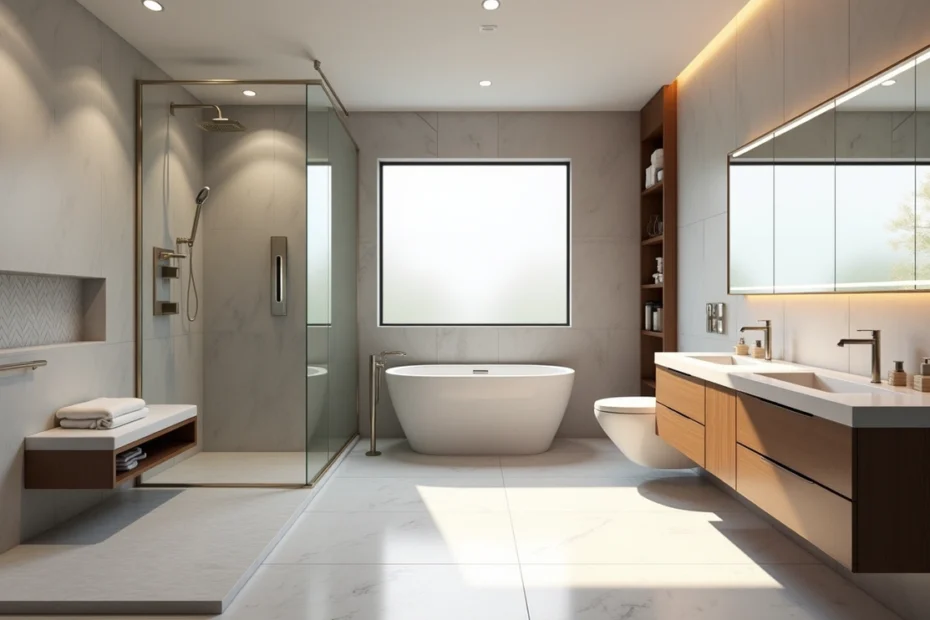
Universal bathroom design combines style with accessibility. Modern bathrooms can work beautifully for everyone without compromising on aesthetics. Most homeowners believe “accessible” equals “institutional.” However, current universal design approaches deliver beautiful results with impressive returns – studies show up to 70% ROI.
Universal design creates spaces that everyone can use without special equipment or modifications. A well-laid-out universal bathroom layout works perfectly for family members of all ages and mobility levels. These thoughtful remodels make spaces safer, more comfortable, and give greater independence to people with mobility challenges. The cost of universal design bathroom remodels ranges from $25,000 to $50,000, based on the bathroom’s size, structural modifications, and fixture quality.
This piece covers everything about creating a bathroom that balances function with style. We’ll explore key features like barrier-free showers and universal bathroom design guidelines. The recommended 30-48 inches for wheelchair movement ensures adequate space. Your bathroom can become a magazine-worthy space that works seamlessly for everyone.
Understanding Universal Bathroom Design
Universal bathroom design creates spaces that work naturally for everyone, not just making bathrooms available. The idea has evolved substantially over the last several years. What started as clinical accessibility has transformed into an elegant, functional design that serves all users without making anyone feel different.
What makes a bathroom ‘universal’?
A well-designed universal bathroom has features that help users of all ages and abilities without looking institutional. The core elements include a minimum 5×5′ unobstructed floor space (60″ turning radius) that allows easy movement. You’ll find barrier-free showers with zero-step entries and grab bars that blend with the decor. Universal bathrooms come with comfort-height toilets (17-19 inches tall), lever-style handles instead of knobs, and slip-resistant flooring to prevent accidents.
The design ensures proper lighting above toilets, sinks, and showers to reduce shadows and glare. Color contrast helps people identify fixtures and surfaces easily. The whole concept revolves around creating safe, functional, and adaptable environments that everyone can use without needing changes later.
Why universal design matters for all ages
Statistics show that 80% of home falls occur in bathrooms—and this affects people across all age groups. A thoughtful universal bathroom layout makes these spaces safer while helping people stay independent. Children get stability as they grow, adults enjoy convenience, and seniors can age in place with dignity.
Universal design brings practical benefits, too. It makes homes future-ready and might increase property value by attracting more buyers. You won’t need expensive updates later. People with mobility or dexterity challenges can maintain their personal hygiene with less help.
How is it different from traditional accessible design
Traditional accessible design focuses on people with disabilities through specialized features. Universal design creates spaces everyone can use. The traditional approach (like ADA-mandated features in public spaces) only meets minimum accessibility standards for disabled people, especially wheelchair users.
Universal design goes beyond basic compliance. It creates natural, elegant spaces where accessibility features enhance the overall design. Safety features improve beauty instead of taking away from it. This approach recognizes that human abilities vary across a spectrum rather than putting people in “normal” and “special needs” boxes.
Essential Features for a Universal Design Bathroom
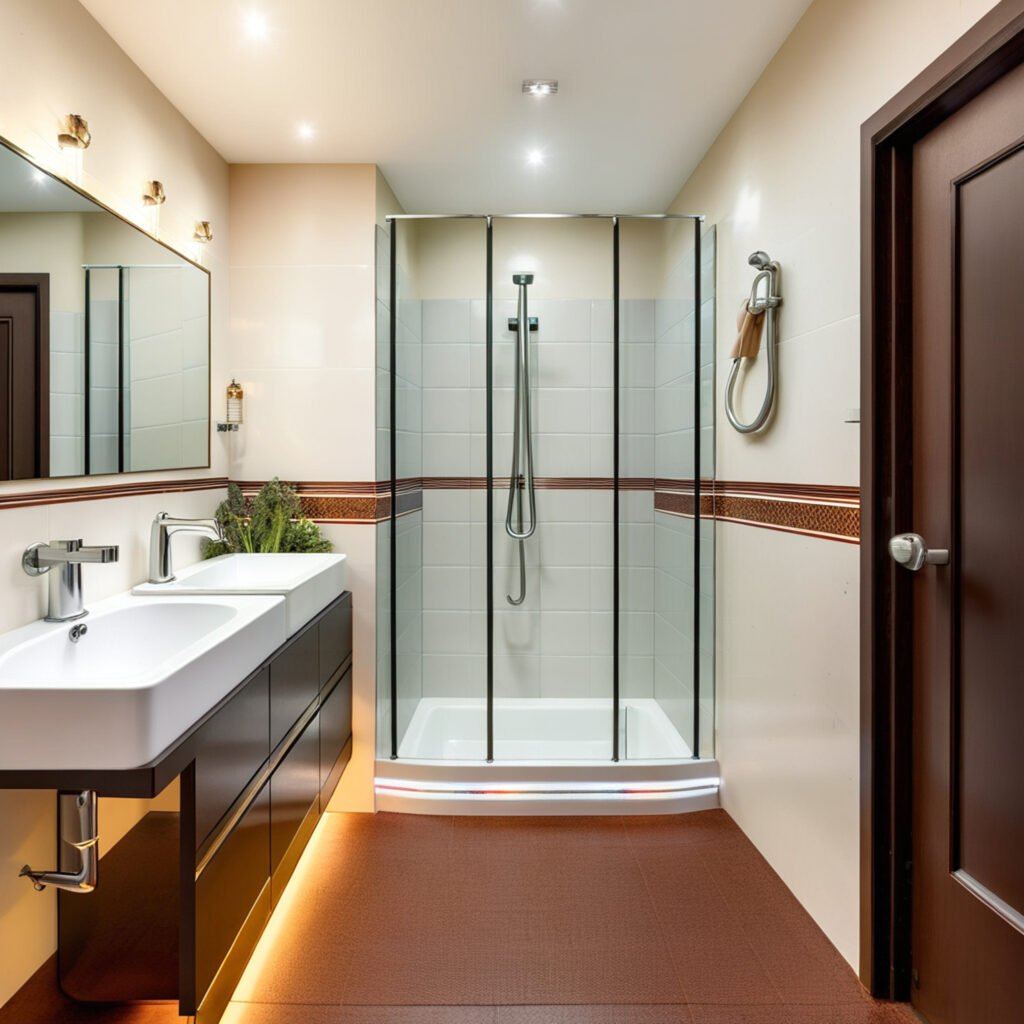
A bathroom that works for everyone needs both style and function. The right mix of features can reshape a regular bathroom into an elegant space that works for people of all abilities.
Barrier-free showers and walk-in tubs
Zero-entry designs in barrier-free showers do away with traditional curbs. This allows wheelchairs to move easily while innovative water dams or mini-thresholds contain water. Wheelchairs can roll in and out smoothly without high curbs getting in the way. The floors need a ¼” per foot slope toward the drain. Linear drains against walls need sloping from just one side, which makes installation easier.
Walk-in tubs give users a safe bathing experience with built-in handrails, anti-slip surfaces, and easy-to-access entries. These tubs help people with limited mobility and offer therapeutic benefits like heated backrests and hydrotherapy jets.
Grab bars that blend with decor
Today’s grab bars look nothing like their clinical predecessors. Designer options now blend naturally with bathroom aesthetics. You can find them in chrome, matte black, brushed nickel, and oil-rubbed bronze finishes. The bars should go near showers, toilets, and sinks, with horizontal bars placed 33-36 inches above the floor.
Comfort-height toilets and easy-to-use faucets
Comfort-height toilets stand 17-19 inches from the floor to the seat, unlike traditional 15-inch models. Adults find these taller toilets easier to use. They put less strain on your body when sitting and standing, which helps if you have joint pain or mobility issues.
Lever-handle faucets work better because users don’t need to grasp or twist them tightly. Single-lever designs let you control temperature and flow with one hand, which works great if you have limited dexterity.
Non-slip flooring and proper drainage
Non-slip bathroom flooring with textured surfaces gives better traction when wet, which cuts down fall risks. You can choose from matte-finish ceramic or porcelain tiles with a coefficient of friction (COF) value above 0.6, textured natural stone with honed or tumbled finishes, or slip-resistant vinyl that feels warm underfoot.
Lever handles and touchless fixtures
Lever-style handles need just a flick of the wrist, making them perfect for everyone. Touchless plumbing fixtures take this a step further. They work with motion sensors that detect hand movements. This means fewer germs are spread around and less water waste through timed operation.
Designing for Function and Style
The clinical look of available bathrooms is now history. Modern universal design brings together style and functionality to create spaces that work as great as they look.
Choosing fixtures that are both elegant and available
Today’s manufacturers provide available options for every design style. Wall-mounted sinks with elegant console designs, stylish grab bars that match other bathroom accessories, and touchless faucets in designer finishes blend naturally with your décor. Traditionally available elements like grab bars can work as towel holders without losing style.
Lighting strategies for safety and ambiance
The right lighting will give a bathroom both safety and ambiance. The room needs ambient lighting to light up every corner, with task lighting near mirrors and showers. Toe-kick lighting with dimmers works great as a night light that lights up paths without disrupting melatonin levels for better sleep.
Color contrast and visual clarity
Smart color contrasting between floors, walls, and fixtures creates visual cues that help everyone. Different colored countertop edges make them easier to spot and prevent spills and collisions. Different colors on stair treads and risers help people see better and reduce fall risk.
Storage solutions for all users
Available storage should keep 75% of items between 18 and 48″ from the floor. D-shaped drawer pulls work best when placed horizontally on drawers and vertically on doors to help users with limited dexterity. Different counter heights or pull-out steps are great ways to support multi-generational independence.
Planning and Budgeting Your Remodel
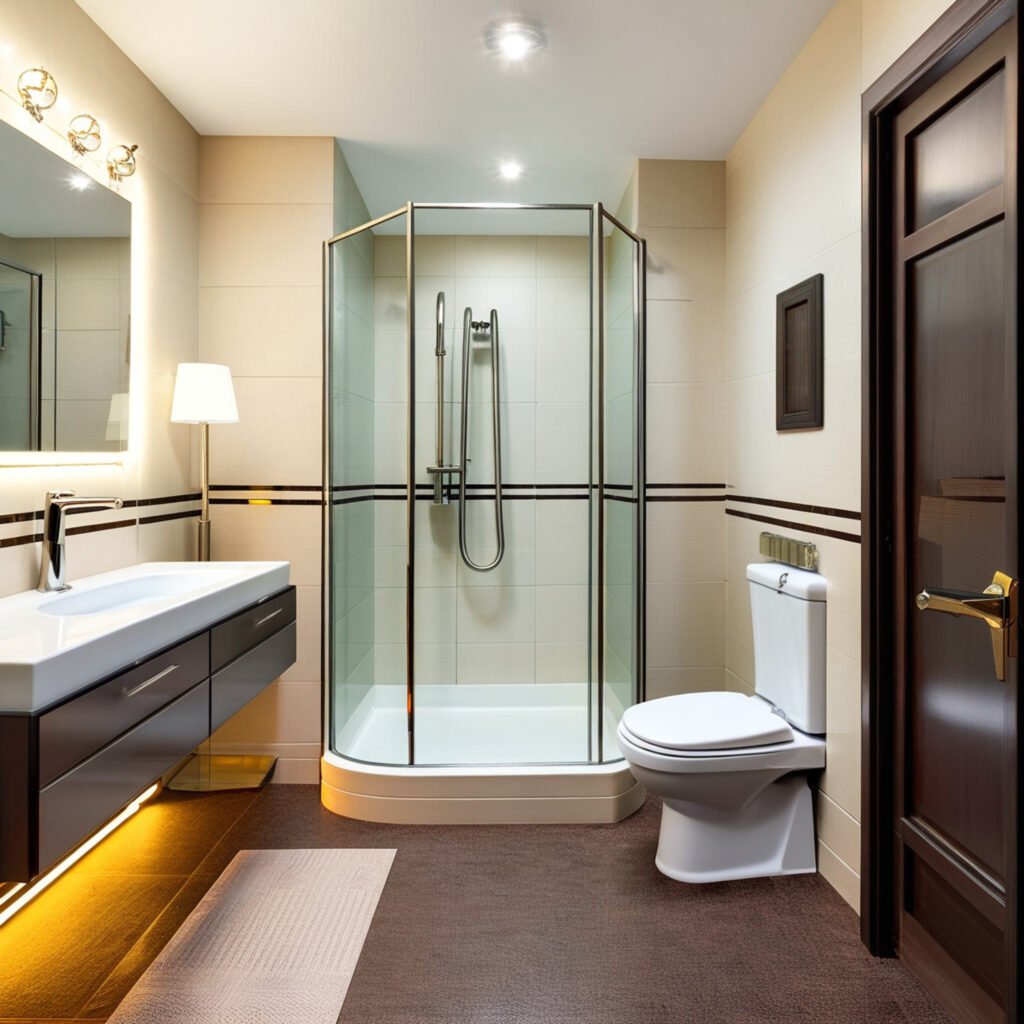
Smart planning for your universal design bathroom remodel leads to better budgeting and lasting results. Good preparation creates spaces that work for you now and adapt to your future needs.
Assessing current and future needs
Your universal bathroom design must address both current and future accessibility needs. The whole family should participate in planning before selecting fixtures. This shared approach helps tackle concerns across generations and adapts to your family’s changing circumstances.
Working with a universal design specialist
Professionals certified in universal design or aging-in-place specialties are a great way to get expert guidance. These specialists take an integrated look at your space and recommend layouts that balance accessibility with style. They guide you through technical requirements like proper clearances while keeping your bathroom stylish without an institutional feel.
Cost breakdown and long-term savings
Universal design bathroom remodels typically range from $25,000 to $50,000 based on size, modifications, and fixture quality. This is a big deal as it means that standard renovation costs, but universal bathrooms give great returns—mid-range bathroom remodels achieve a 73.7% ROI. So these smart improvements help avoid future renovation costs and might reduce healthcare expenses by boosting independence.
Financing options and available incentives
Several financing options make universal bathroom remodels more affordable. You can choose from home equity loans, renovation-specific financing programs, and personal loans ($3,000 to $100,000). Government programs offer major help—federal grants support accessibility modifications for seniors, veterans, and low-income homeowners. Programs like USDA Section 504 give up to $50,000 in combined loans and grants to qualified rural residents.
Conclusion
Universal bathroom design brings together functionality and beauty to create spaces that work for everyone, whatever their age or ability. In this piece, we see how accessible design has grown from clinical-looking spaces into elegant bathrooms that improve both safety and style.
Beautiful transformations start with everything needed – zero-entry showers, designer grab bars in the right spots, and comfort-height toilets. These features help users of all ages without highlighting their accessibility. On top of that, smart lighting, color contrasting, and slip-resistant flooring help prevent accidents while keeping a sophisticated look intact.
Smart planning makes the difference when you think about a universal bathroom remodel. Of course, the original investment of $25,000 to $50,000 might look big at first. Notwithstanding that, these thoughtful renovations deliver great returns—both financially through higher home values and personally through better independence for everyone at home.
Universal design’s beauty comes from looking ahead. These bathrooms anticipate needs before problems show up, instead of making changes later. This smart approach helps avoid updates that get pricey while creating spaces that serve everyone beautifully today.
Universal design should never make homeowners pick between function and style. Today’s manufacturers offer accessible fixtures for every design style, showing how safety features improve rather than take away from bathroom beauty. The result creates magazine-worthy spaces that work perfectly for all users.
Your bathroom is one of your home’s most important living spaces—where independence truly matters. Universal design principles help create bathrooms that support dignity, safety, and freedom for family members of all ages and abilities, while keeping a stylish looks that make houses feel like home.
Pingback: SafeStep Walk-In Tub Review (2027): Cost, Features, and Warranty
Pingback: Bathroom Remodeling Industry Growth: 2026–2027 Market Data and a Contractor's Playbook - Bath Calculator